PP - Polypropylene
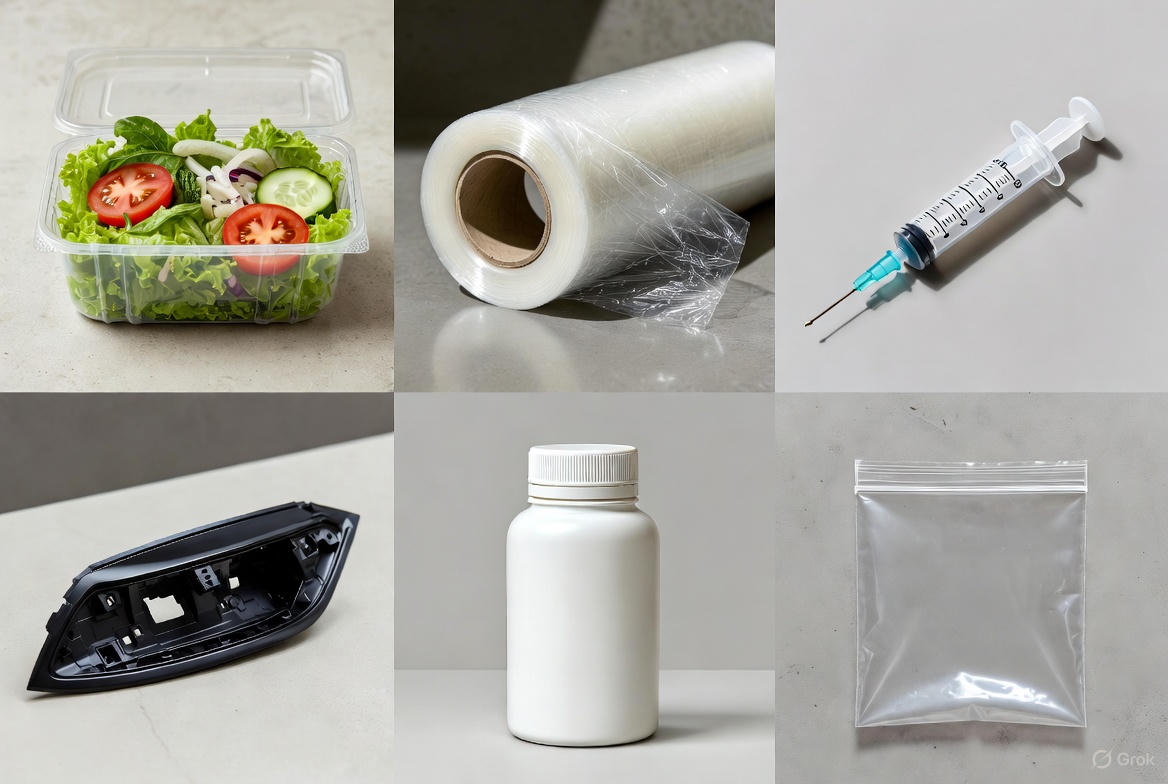
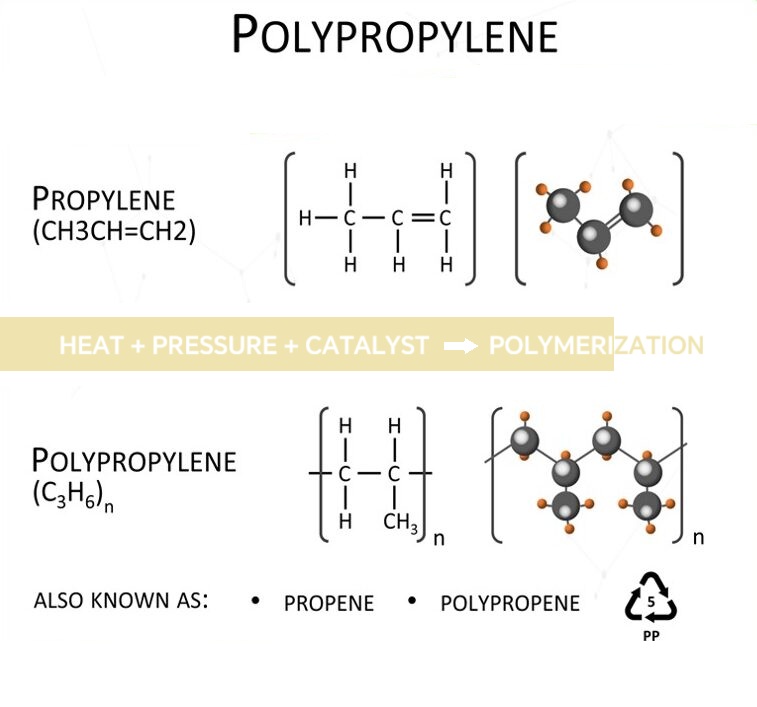
Polypropylene (PP) is a thermoplastic polymer material made from propylene monomers through a polymerization reaction, belonging to the polyolefin family. PP is one of the most widely used plastics globally due to its excellent overall performance, low cost, and wide range of applications. Since its industrial production in the 1950s, PP has played a vital role in industries such as packaging, automotive, medical, and textiles.
PP (Polypropylene) (One of the most widely used plastics globally)
Low density: PP has a density of approximately 0.90 g/cm³, making it one of the lightest common plastics, suitable for lightweight designs.
High mechanical strength: It possesses good tensile strength and rigidity, and strong fatigue resistance, making it suitable for “live hinge” designs that involve repeated bending.
Impact resistance: PP has good toughness, especially after modification (such as the addition of toughening agents), and can maintain impact resistance at low temperatures.
Heat resistance: Melting point is approximately 165°C, with continuous operating temperature up to 100-120°C, suitable for high-temperature applications such as microwave heating containers.
Low-temperature resistance: Maintains some toughness at around -20°C, but becomes brittle at low temperatures.
Chemical resistance: PP is resistant to corrosion from acids, alkalis, and organic solvents, making it suitable for chemical containers and pipelines.
Water resistance: Extremely low water absorption (<0.1%), suitable for humid environments.
Not UV resistant: Unmodified PP is susceptible to aging due to ultraviolet radiation; UV stabilizers need to be added to improve its outdoor lifespan.
Electrical insulation: PP has excellent electrical insulation properties, making it suitable for cable insulation and electronic components.
Low dielectric constant: Suitable for high-frequency electrical applications.
Easy to process: PP can be processed through various techniques such as injection molding, extrusion, blow molding, and thermoforming, making it highly adaptable.
Recyclable: PP is a thermoplastic that can be recycled, aligning with environmental trends.
Non-toxic: Food-grade PP is non-toxic and odorless, meeting FDA and EU food safety standards.
Surface gloss: PP has a smooth surface, is easy to color, and is suitable for products with high aesthetic requirements.
- Low cost: PP has low production costs and is suitable for large-scale production.
- Multifunctionality: It combines strength, toughness, heat resistance, and chemical resistance, making it suitable for a wide range of applications.
- Recyclable: PP is recyclable and meets the requirements of sustainable development.
- Flexible processing: Supports various molding processes such as injection molding, blow molding, and extrusion, resulting in high production efficiency.
- Poor weather resistance: Unmodified PP is susceptible to aging due to ultraviolet radiation, and stabilizers need to be added for outdoor use.
- Low-temperature brittleness: At extremely low temperatures, the impact properties of PP decrease.
- Flame retardancy is average: PP is flammable and flame retardants need to be added to meet specific application requirements.
Application Scenarios
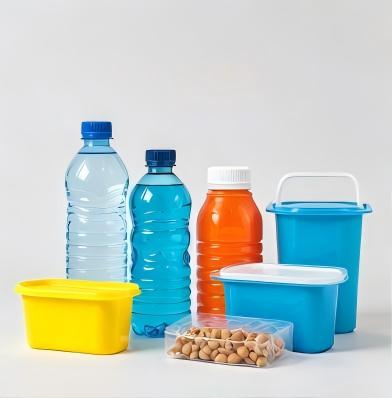
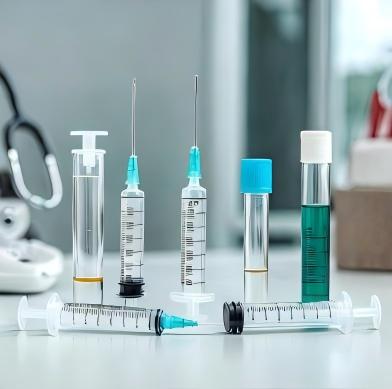
Heat Resistant, Non-Toxic, Highly Transparent
Lightweight, High Strength
Can be Autoclaved at 121℃
Abrasion-resistant and Chemically Resistant
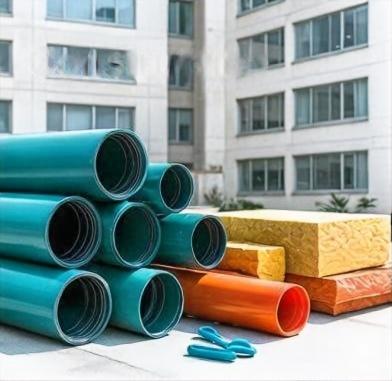
Corrosion Resistant and High Temperature Resistant
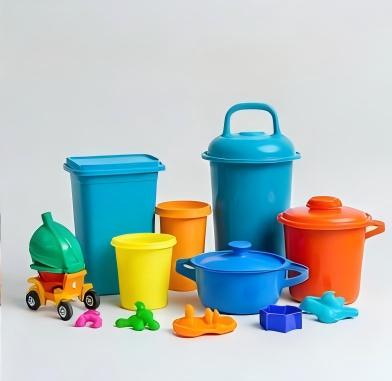
Safe, Non-Toxic, and Low-Cost
More Thermoplastic Shapes
Looking for Something Else?
Explore material possibilities for your engineering project by starting with the operating temperature of your application
60°C to 120°C
Engineering Plastics
Enhance component efficiency with lighter materials that deliver reliable performance and safety. Our range of Engineering Plastics—including UHMW-PE, PET, Nylon, acetal, and more—maintains consistent mechanical strength across a broad temperature window (about 60 °C to 120 °C ). These polymers also provide good machinability, dependable electrical properties, and strong chemical resistance for versatile application needs.
120°C to 230°C
Advanced Plastics
Maintain stable mechanical properties across a wide, high-temperature range. Our Advanced Engineering Plastics lineup—featuring premium grades of PEI, PSU, and PPS—is designed for applications operating between 120 °C and 230 °C . These materials offer enhanced dimensional stability, excellent creep resistance, strong electrical performance, and outstanding chemical resistance for demanding environments.
230°C to 425°C
Extreme Plastics
Our highest-performance machinable plastics—PEEK, PTFE, PI, and PAI —are engineered to withstand extreme conditions, delivering reliable performance even at temperatures up to 425 °C and in the most demanding environments.