

LDPE
Low Density Polyethylene
LDPE (Low-Density Polyethylene) is a thermoplastic polymer made from the monomer ethylene. As its name suggests, LDPE has a lower density compared to other polyethylene varieties, giving it a softer and more flexible nature. The molecular structure of LDPE contains more branching than its higher-density counterparts, resulting in a material that is less rigid and highly resilient. This flexibility makes LDPE ideal for applications that require pliability and impact resistance.
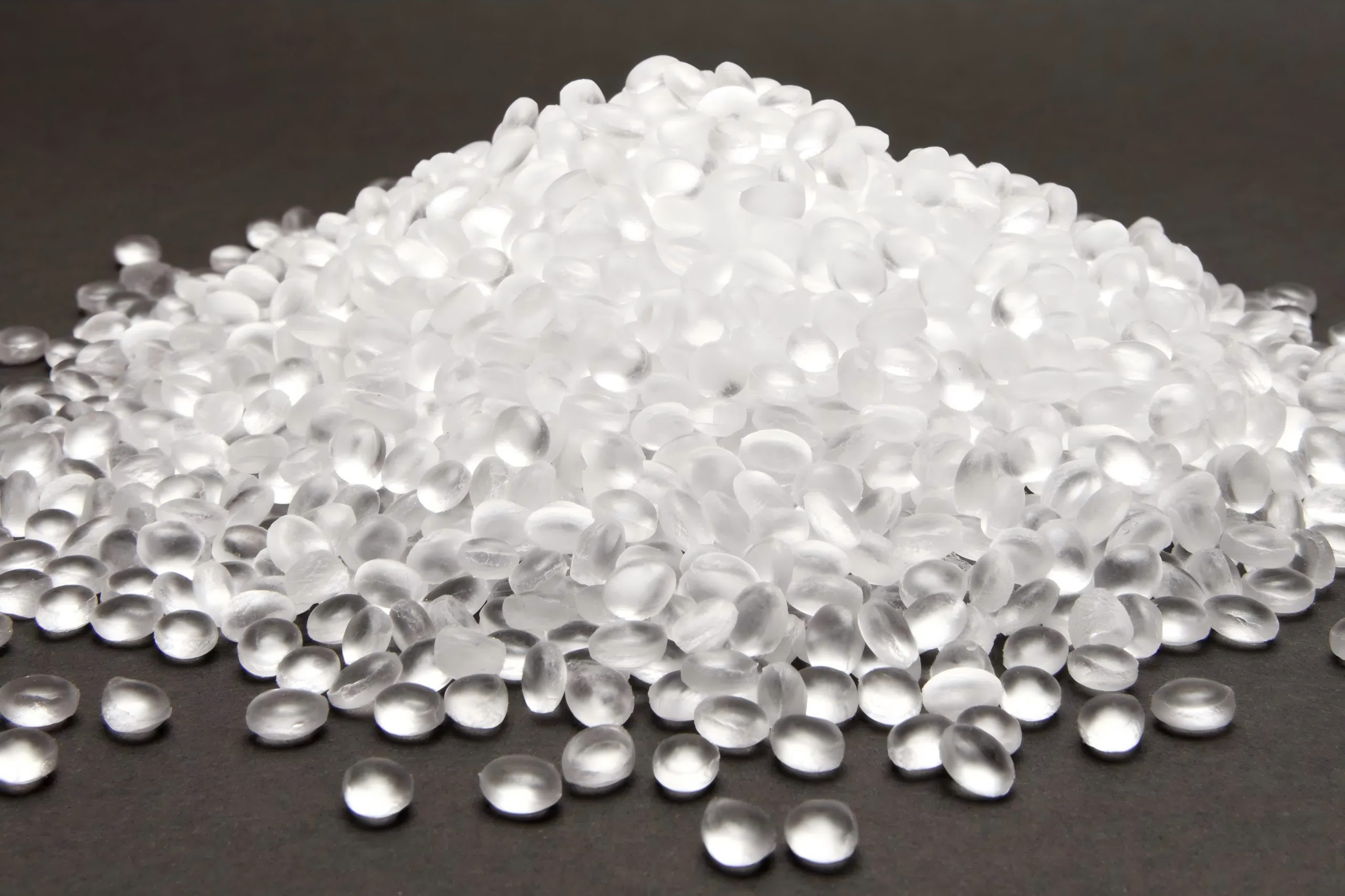
Properties of LDPE
Lightweight and Flexible
LDPE is known for its flexibility, which makes it easy to mold and shape.
Impact-Resistant
The material is resistant to impact and can withstand bending without breaking.
Moisture Barrier
Excellent resistance to moisture, making it for protective packaging.
Chemical Resistance
It withstands various chemicals, including acids, alcohols, and bases.
Common Uses of LDPE
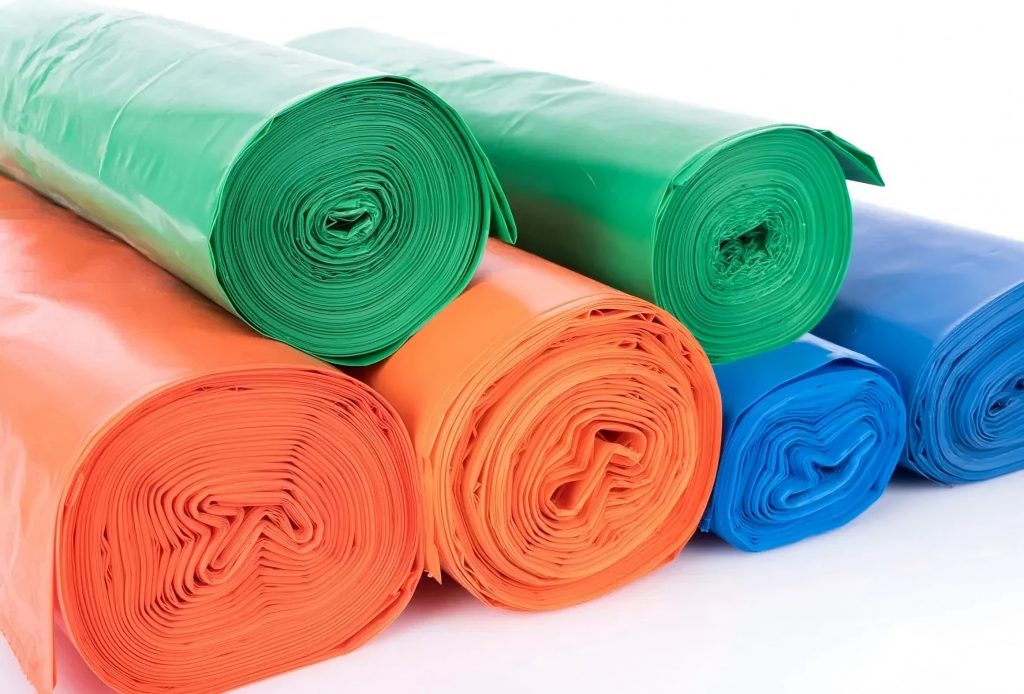
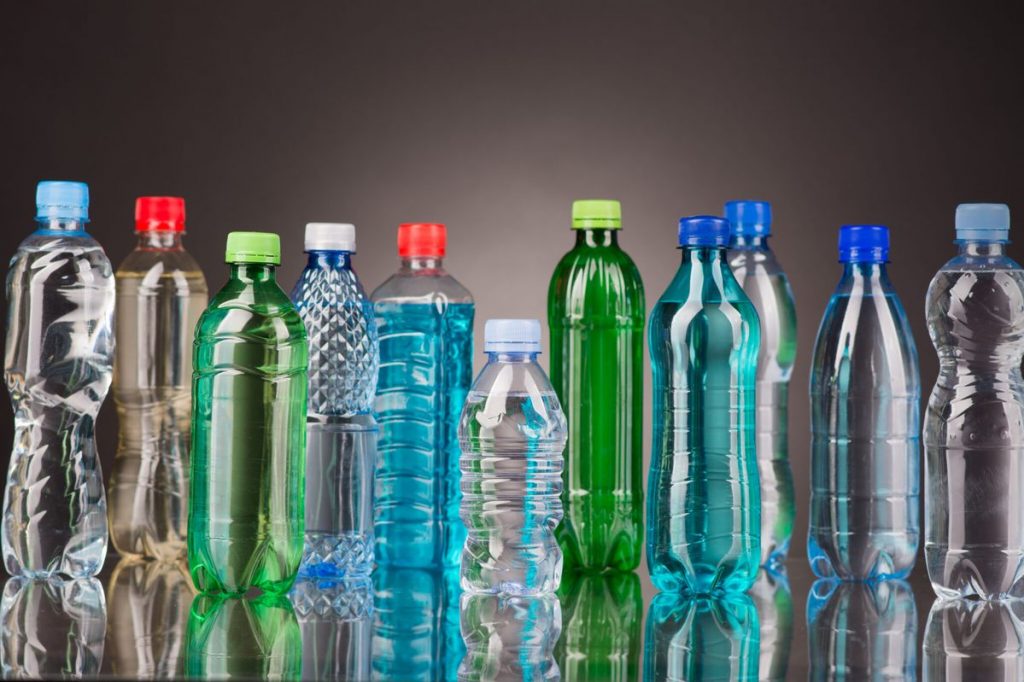
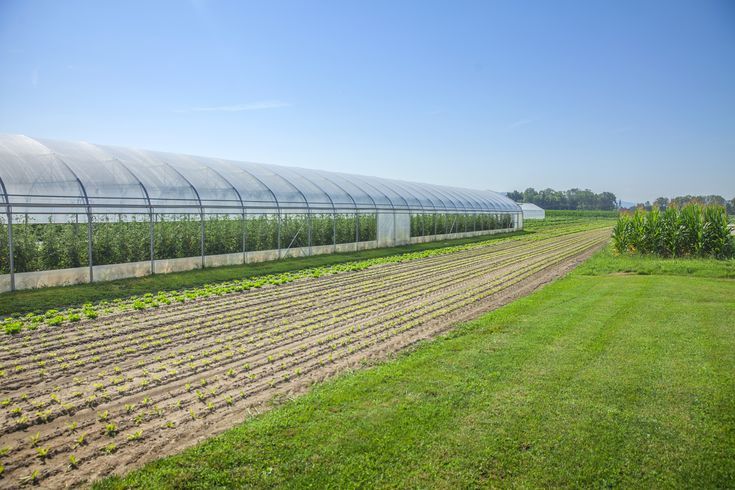
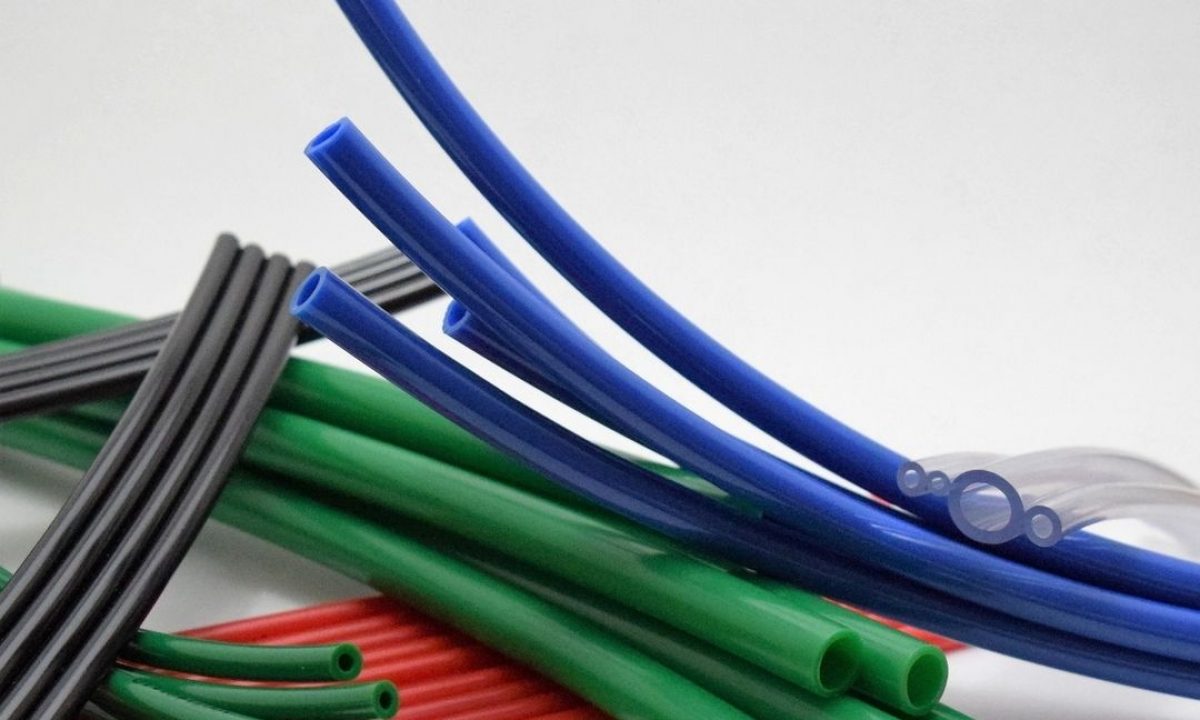
Advantages of LDPE
LDPE offers numerous advantages that make it a valuable material for many industries. Here are the main benefits of LDPE:
Key strengths of LDPE for packaging, film, and insulation applications.
-
High flexibilityHighly branched molecular structure provides excellent softness and bending capability, suitable for flexible packaging.
-
Impact resistanceMaintains toughness at low temperatures and resists cracking under impact.
-
Good transparencyHigh clarity makes LDPE ideal for films and applications where product visibility is required.
-
Chemical resistanceResistant to many acids, bases and common solvents, ensuring stable performance in varied environments.
-
Excellent electrical insulationCommonly used for cable sheathing and insulating layers due to reliable dielectric properties.
-
Easy processingSupports blow film, extrusion, injection molding and coating with wide processing window.
-
Lightweight & cost-effectiveLow density helps reduce material use and production cost for high-volume items.
-
Food-contact compatibilitySelected grades meet FDA/EU food packaging requirements (grade-dependent).
Tip: Combine LDPE with other polymers or apply multi-layer structures to tailor mechanical or barrier properties.
Main limitations to consider when selecting LDPE for a product.
-
Low heat resistanceSoftens at relatively low temperatures; not suitable for extended high-temperature exposure.
-
Limited rigidityLower stiffness and structural strength compared with HDPE; not ideal for load-bearing parts.
-
Environmental stress crackingMay develop cracks under prolonged mechanical stress or specific chemical exposures.
-
Weak barrier propertiesLimited resistance to oxygen and moisture compared with multilayer or specialty barrier films.
-
Poor oil & solvent resistanceCertain oils and organic solvents can cause swelling or performance loss.
Mitigation: Use blends (LLDPE/HDPE), additives, or multi-layer constructions (e.g. EVOH barrier layer) to address specific limitations.
More Thermoplastic Shapes
Looking for Something Else?
Explore material possibilities for your engineering project by starting with the operating temperature of your application
60°C to 120°C
Engineering Plastics
Enhance component efficiency with lighter materials that deliver reliable performance and safety. Our range of Engineering Plastics—including UHMW-PE, PET, Nylon, acetal, and more—maintains consistent mechanical strength across a broad temperature window (about 60 °C to 120 °C ). These polymers also provide good machinability, dependable electrical properties, and strong chemical resistance for versatile application needs.
120°C to 230°C
Advanced Plastics
Maintain stable mechanical properties across a wide, high-temperature range. Our Advanced Engineering Plastics lineup—featuring premium grades of PEI, PSU, and PPS—is designed for applications operating between 120 °C and 230 °C . These materials offer enhanced dimensional stability, excellent creep resistance, strong electrical performance, and outstanding chemical resistance for demanding environments.
230°C to 425°C
Extreme Plastics
Our highest-performance machinable plastics—PEEK, PTFE, PI, and PAI —are engineered to withstand extreme conditions, delivering reliable performance even at temperatures up to 425 °C and in the most demanding environments.